

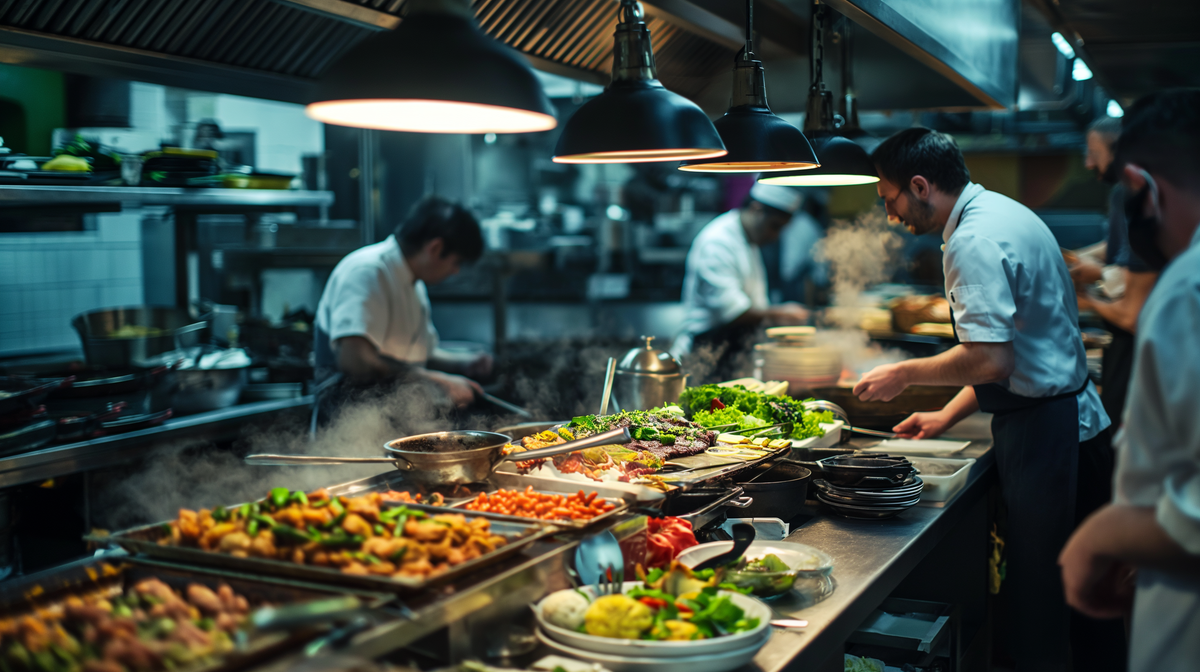
In the heat of a service, every movement a chef makes is either an investment in the dish or a waste of energy. A poorly laid out cookline forces your team to overextend, pivot awkwardly, or walk unnecessary steps just to reach a different station. When equipment isn't designed with the human element in mind, the friction adds up, leading to fatigue, slower service times, and eventually, mistakes.
Ergonomic logic is about designing the cookline to fit the chef, not forcing the chef to adapt to the gear. This means considering the height of the controls, the depth of the work surfaces, and the placement of critical units like fryers and salamanders relative to the primary range. It’s about minimising the "reach and pivot" cycle so that a chef can transition from a burner to a grill to a holding area with the shortest distance possible.
When the ergonomics are dialled in, the kitchen feels faster. Because your team isn't fighting the physical layout of the station, they can maintain a rhythm for longer periods. It’s a shift from reactive movement to proactive cooking.
Efficiency isn't just about how fast a burner boils water; it’s about how much time is saved by removing physical bottlenecks. When we design a range, we prioritise that flow, ensuring that the equipment supports the way you actually work. It’s the difference between a kitchen that drains your team's energy and one that empowers them to sustain a high volume output all shift long.


