

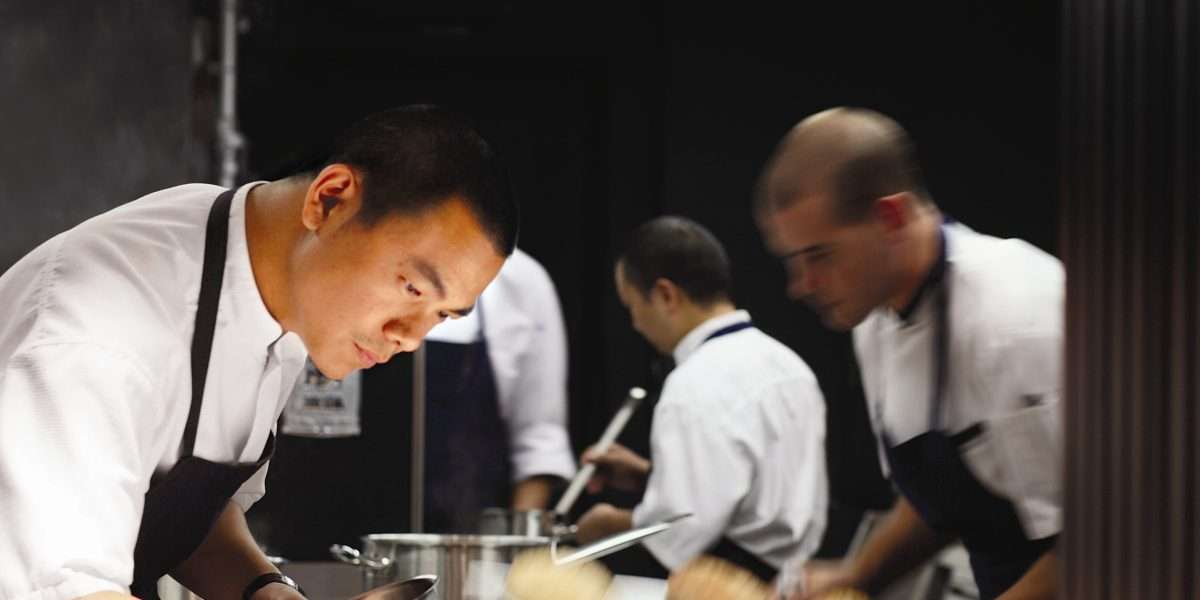
Setting up a professional kitchen is no easy feat. Whether you’re launching a new restaurant, opening a bakery, or setting up a catering business, getting your kitchen right is crucial for the efficiency and success of your operations. In this blog post, we’ll cover some best practices to help you create a seamless, productive, and professional cooking space.
Know Your Needs and Menu
You should know your needs before buying any equipment or designing your kitchen. The equipment you will need will depend mainly on the menu you are going to offer. For instance, a grill restaurant will need high end grills and ventilation, while a pastry shop will require specialized ovens, mixers, and storage areas for ingredients.
Plan your kitchen layout based on the kinds of food you will prepare. This ensures that you invest in the right equipment and do not overcrowd your space with unnecessary tools.
Design the Layout for Efficiency
A well thought out kitchen layout is key to optimizing your workflow and reducing the risk of accidents. A typical commercial kitchen layout follows the “work triangle” principle, which suggests that your stove, refrigerator, and sink should form a triangular path. This minimizes unnecessary steps and movement, allowing your kitchen staff to work efficiently.
Common layouts include:
- Assembly Line Layout: This one is perfect for a high-volume kitchen, as there is some kind of process flow on prepping, cooking, and plating.
- Island Layout: Suitable to those big spaces in a kitchen, wherein the central island is used either for meal prep or even a collecting point for tools and equipment.
- Zone Layout: Useful for larger kitchens, where different areas (cooking, prep, washing) are set up in distinct sections to avoid cross-contamination and streamline operations.
Make sure your kitchen has sufficient counter space for prep work, and consider workflow efficiency when placing cooking appliances.
Invest in Quality Equipment
When setting up your professional kitchen, investing in high quality, durable equipment should be a priority. Good equipment is not only more reliable but can also help improve cooking consistency, speed, and overall quality. From commercial ovens and stovetops to refrigeration systems, make sure everything is energy efficient and capable of handling the demands of a busy kitchen.
Keep in mind that you’ll also need a range of smaller tools like knives, cutting boards, mixers, and food processors. Having top tier appliances means you’ll spend less on repairs and replacements over time.
Focus on Ventilation
Proper ventilation is a staple of any professional kitchen. Without it, your kitchen will be hot, smoky, and uncomfortable, which will reduce productivity and may even pose health risks. Over cooking stations, install powerful exhaust systems to remove smoke, steam, and fumes from the kitchen.
Furthermore, proper ventilation is important for cooling and airing the space; in large spaces, this factor is especially important. Take into account the installation of air conditioning and ensure the windows and vents are at strategic locations.
Comply with Health and Safety Standards
Health and safety codes vary by location, but all professional kitchens have to abide by general standards. They ensure the safety of your staff and the quality of food you serve. Ensure you are familiar with the local codes on fire safety, sanitation, food handling, and workplace safety.
For instance, there should be frequent cleaning of equipment to prevent contamination. The fire extinguisher must also be readily available during emergencies. The right food and ingredient storage along with proper hand washing stations can be maintained to run everything smoothly.
Storage and Organization - Make Priorities
In a commercial kitchen, things need to be organized. Everything requires a place where the room will be tidy, the risk of accidents low, and everything found with little time spent finding the right ingredients and equipment . Dry goods, perishables, and non-foods must be placed in labelled, easy to reach parts.
Use shelves, bins, and dedicated drawers for maintaining a well organised space with little clutter. Lastly, there should be adequate space for cleaning supplies and utensils.
Final Thoughts
A professional kitchen is a huge undertaking; however, if well thought out and equipped, one can design an environment to enhance productivity and the quality of your business. Always keep in mind the best practices that are highlighted above so that you have a cooking environment that will not only satisfy your menu needs but also enhance staff & customer's well being.
Image credit: Freepik


