

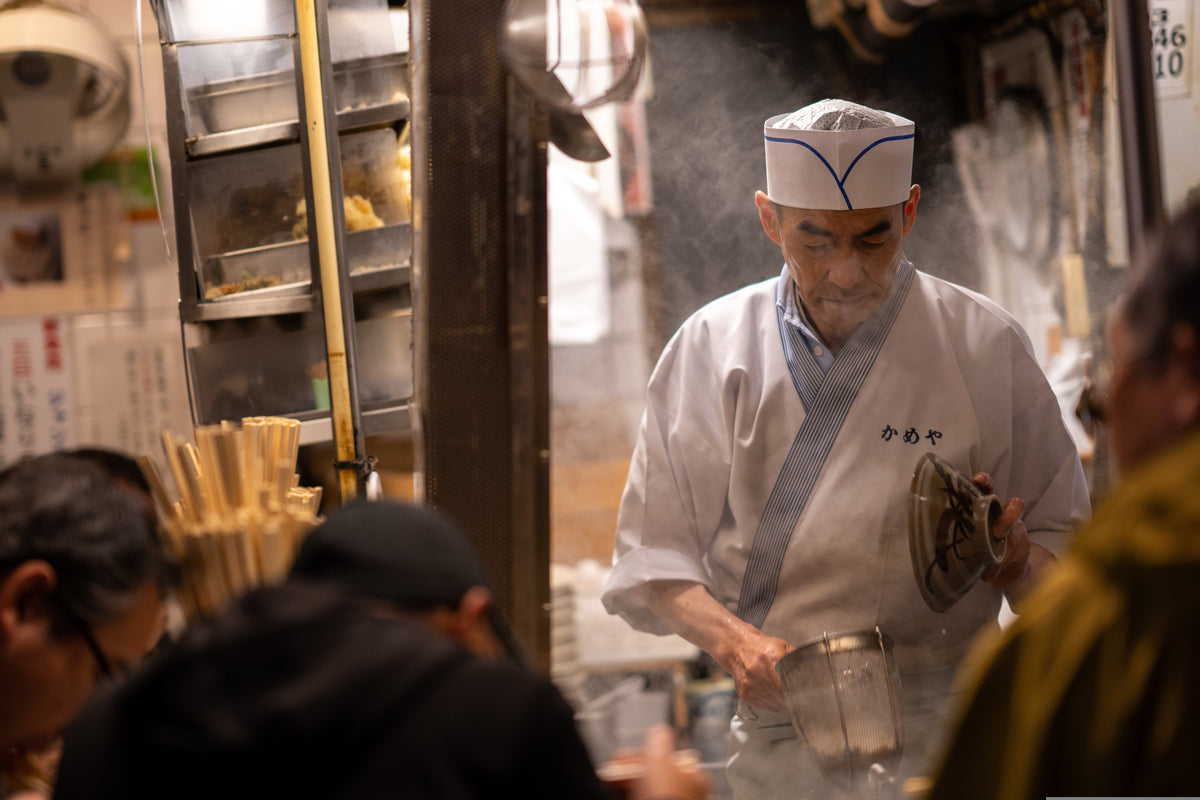
There is a world of difference between equipment designed for a showroom and equipment built for a high turnover Asian kitchen. A lot of gear on the market looks polished in a catalogue, but it struggles once it hits the reality of a busy shift. When you’re dealing with the intense, non-stop workload of a wok station, a steamer, or a noodle cooker, those "lifestyle" finishes don’t last long. The heat, the steam, and the constant cleaning demand something much tougher.
Real performance in a professional kitchen is about how the gear handles the grind. It is about the heavy duty trivets on a stockpot boiler that don’t crack under constant use, the seals on a steam cabinet that keep the pressure consistent, and the stainless steel gauge on a noodle cooker that holds up to years of boiling water. When a piece of equipment is engineered for an authentic kitchen, it isn’t trying to be a showpiece. It is built to be a reliable workhorse that performs just as well after three years of daily service as it did on the first day.
Choosing equipment like this changes the headspace on the line. When the team stops worrying about whether a valve is going to stick, or if the burner is going to lose pressure during a rush, they can focus entirely on the prep and the plating. That is the goal of solid engineering: it should be invisible. You don’t want to be thinking about your equipment during the dinner service; you want it to be the last thing on your mind, quietly doing the job in the background.
Authentic cooking requires gear that respects the intensity of your craft. It’s about having a setup that handles the heavy lifting, providing a stable, reliable foundation that lets you push the menu as hard as you need to, shift after shift.
Image by abdulla binmassam from Pixabay


