

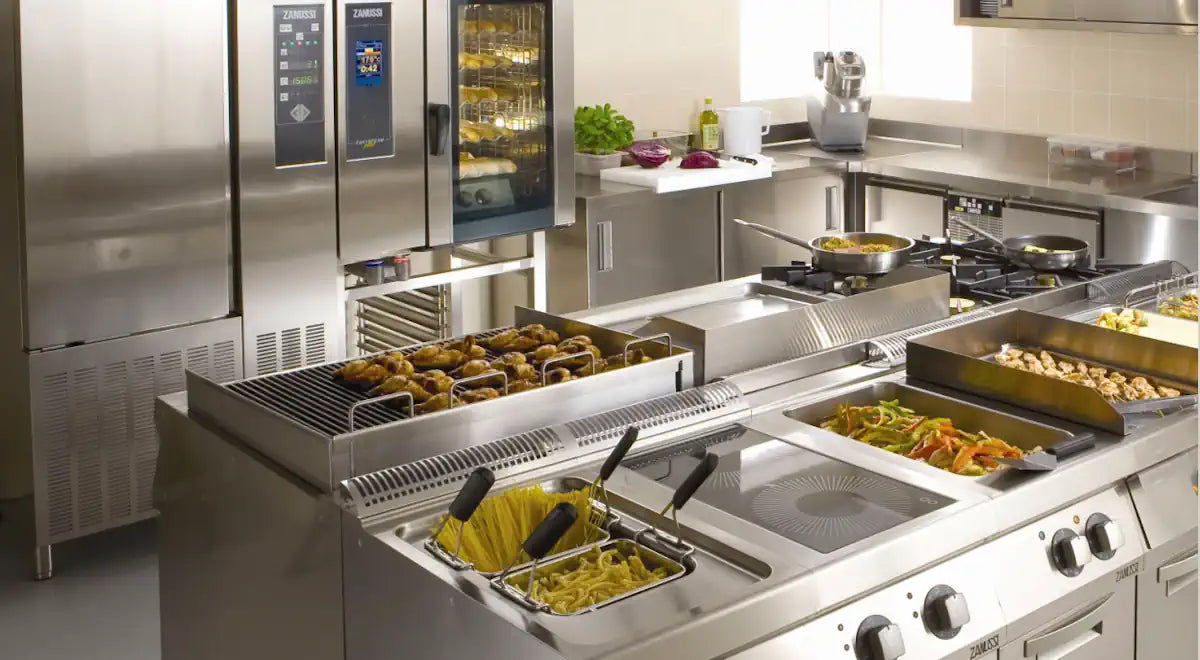
In any busy commercial kitchen from restaurants to catering services, the importance of proper ventilation cannot be overstated. Effective ventilation systems are crucial not only for maintaining a comfortable and safe environment but also for ensuring compliance with health and safety regulations. If your kitchen isn’t equipped with the right ventilation, it can lead to health hazards, poor air quality, and even fire risks. In this blog, we’ll explore why proper ventilation is crucial in commercial kitchens and provide practical solutions for ensuring your kitchen is up to par.
Why Commercial Kitchen Ventilation is Crucial
The primary role of a commercial kitchen ventilation system is to preserve air quality. Kitchens are filled with smoke, steam, grease, odours, and heat, all of which pose health and safety risks. Without proper ventilation, these pollutants can build up and create a hazardous working environment for your staff and possibly damage kitchen equipment.
Some of the key reasons why ventilation is so important in commercial kitchens are as follows:
- Health and Safety Compliance
Commercial kitchens are regulated by strict health regulations, both locally and nationally, including air quality standards. Ventilation systems help clean the air, reduce risks of respiratory problems among workers, and ensure compliance with OSHA and fire safety codes.
- Fire Hazard Prevention
Grease build-up from the cooking process is one of the major causes of kitchen fires. Proper ventilation, that is, exhaust systems have to be maintained to extract grease-laden air. Failure to maintain these means dangerous grease fires that will damage property, injure staff, and disrupt the business.
- Maintaining Comfort and Productivity
It is hot to cook, so without proper ventilation in a kitchen, it becomes not very pleasant to work in it. Intense heat is bound to fatigue or distract staff from work, resulting in reduced productivity and even morale. A good ventilation system would help regulate the temperature and keep the kitchen cooler and more comfortable for staff.
- Odour and Fume Control
Commercial kitchens give off a multitude of smells-from the smell of sizzling meat to the smoke from overcooked food. All these can easily spread out in the building or even into neighbouring spaces. The ventilation systems are designed to extract all these odours and fumes, providing a more pleasant environment to both workers and customers.
Solutions for Effective Commercial Kitchen Ventilation
- Exhaust Hoods
Exhaust hoods are one of the most important components of any commercial kitchen ventilation system. These hoods capture smoke, heat, steam, and airborne grease produced during cooking. They are typically placed above stovetops, ovens, and grills to efficiently extract hot air and pollutants.
These hoods should be regularly cleaned and maintained to prevent grease build-up for optimal performance. Grease filters must be installed to avoid the risk of fire.
- Make-up Air Units
In commercial kitchens, the removal of hot air and grease from exhaust hoods must be balanced by a make-up air system, which replaces the air being removed. Otherwise, negative air pressure may occur, making the kitchen uncomfortable and inefficient. Make-up air units help to regulate airflow, ensuring the kitchen remains well-ventilated.
- Air Scrubbers and Filtration Systems
Air scrubbers are advanced filtration systems that remove harmful pollutants from the air, such as smoke, grease, and cooking odours. It is especially useful in a kitchen where the installation of traditional ventilation equipment is impossible or where space is inadequate.
- Regular Maintenance and Inspections
Proper ventilation systems must be serviced regularly to ensure their smooth operation. Routine cleaning of exhaust hoods, ducts, and filters will reduce the chances of clogs, fire hazards, and unpleasant odours. Regular inspections by professional HVAC technicians are also a must to identify problems before they become serious.
Proper ventilation is an important aspect of any commercial kitchen, from air quality to fire safety and staff comfort. An efficient ventilation system in your kitchen will not only help you comply with health and safety regulations but also create a safer and more productive environment for your team. Quality exhaust hoods, make-up air units, and filtration systems along with regular maintenance will keep a cooking area safe and comfortable. Remember, proper ventilation is just as important for a good kitchen operation to be both successful and efficient.


