

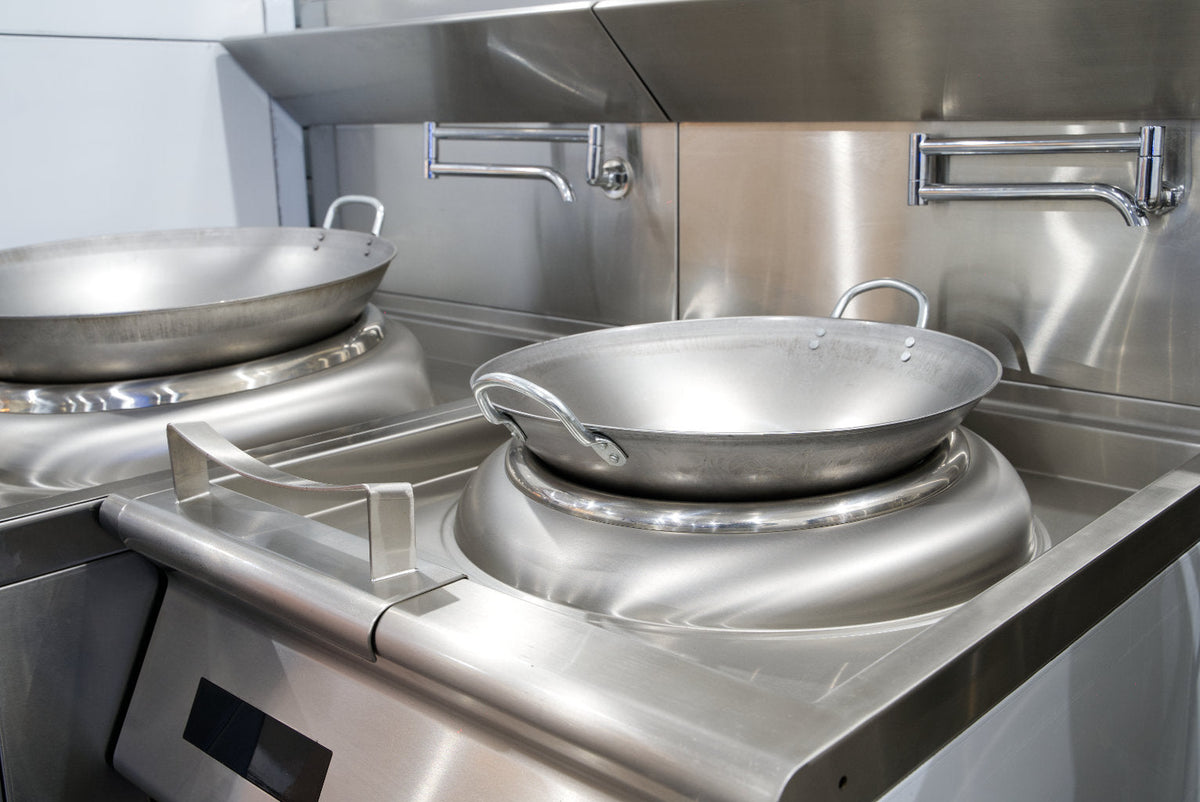
There is still a lot of talk in the trade about whether induction can actually "keep up" with the speed of a professional kitchen. You’ll hear stories about chefs who tried an induction unit, found it didn’t have the same "kick" as their gas range, and decided it wasn’t up to the task. Most of the time, this comes down to a misunderstanding of what "power" actually means in a cooking environment.
The issue isn’t that induction lacks the energy to do the job; it’s that we’ve spent decades getting used to gas. We’ve learned to work around its limitations, the slow recovery times, the uneven heat zones, and the lag when you turn a dial. We’ve turned these workarounds into a skill set. When you switch to a system that doesn't have those lag times, it can feel like something is missing because the "fight" is gone.
In reality, induction is often faster than gas, but it forces you to change your timing. Because the heat transfer is so direct and immediate, you don’t need to pre-heat a pan for as long or worry about whether the flame is licking up the sides of the cookware. When you realise you don't have to wait for the equipment to catch up to you, you stop looking for the "power" you think you need.
The myth that induction isn't powerful enough usually stems from using it like a gas range. But once you stop trying to manage an open flame and start using the precision of a magnetic field, the speed of the service completely changes. It isn't about having more heat; it's about not wasting the heat you have. When you remove the need for those constant adjustments, you don't just keep up with the rush... you set the pace for it.


