

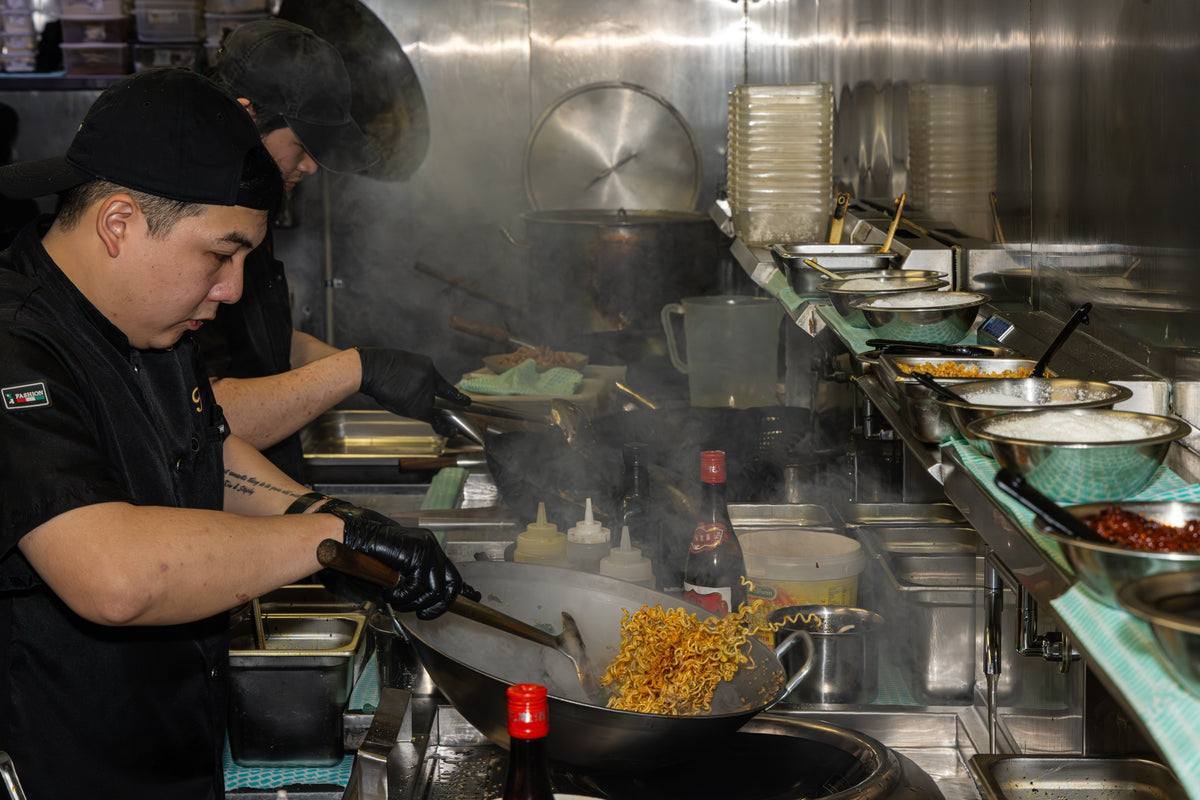
Planning a kitchen for the next decade is about more than just checking your energy bills. Many owners get stuck focusing entirely on gas versus induction or looking for the lowest upfront cost, but that approach ignores the biggest challenges on the horizon: the rising cost of labour, the difficulty of training new staff, and the physical toll of high volume service.
The kitchens that will thrive in 2030 are the ones that treat efficiency as a holistic system. It isn't just about how many BTUs or kilowatts a burner puts out; it’s about how that equipment fits into the actual work cycle of a chef. If you can shave ten seconds off a task through better ergonomics, or eliminate a maintenance headache by choosing modular, robust equipment, you’re making a decision that pays dividends over years, not just months.
Future proofing means looking for hardware that can grow with your menu. Whether you are running a high speed Asian line, a traditional professional series setup, or a modern induction station, the goal is to reduce the noise in your kitchen. This means equipment that is intuitive enough for a junior to operate safely, reliable enough to survive a back-to-back double shift, and versatile enough to change if your menu concept shifts in three years' time.
We spend a lot of time observing how kitchens actually run. We see how a well placed griddle or a consistent wok burner changes the flow of an entire team. By focusing on these structural improvements now, you stop fighting your equipment and start building a workspace that actually supports your growth.


