

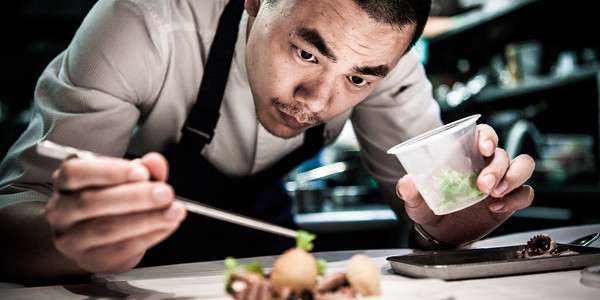
Asian food is known for its rich flavour, unique textures, and complex preparation methods. From stir frying to steaming, mastering the essentials of Asian cooking techniques will help bring authentic dishes into your kitchen. Whether you are a beginner or a seasoned chef, here are 10 Asian cooking techniques you should learn to elevate your culinary skills and create restaurant quality meals at home.
Stir-Frying (Chinese)
Among Asian cooking techniques, stir frying stands out best. It originates in Chinese food. Stir frying is usually cooking ingredients really quickly on high heat, often using less oil inside a wok. This enables the vegetables, meat, or seafood to have an excellent colourful hue and crispiness in texture without loss of its nutrition. Thus, to execute it well, be sure all your ingredients are ready before stirring them up in that wok since the preparation would be pretty quick.
Steaming (Chinese, Vietnamese, Thai)
Steaming is a healthy and versatile cooking method used widely across Asia. Dumplings, bao buns, and even fish are steamed because it helps keep moist the parts that cook and holds the good stuff from either being retracted to the centre or overcooked. Bamboo steamers are common in Chinese cooking; while for Vietnamese, steaming appears distinctly in bánh cuốn (steamed rice rolls). Steam to be done by placing in a steamer basket or a tiered steaming system, where steam will evenly pass through all parts of the food.
Braising (Chinese, Japanese, Korean)
Braising is a slow cooking technique where meat or vegetables are simmered in a flavourful liquid until tender. In Chinese cuisine, dishes like red braised pork belly show off the technique, while Japanese “Nimo no” dishes often feature braised vegetables and fish. To braise properly, choose a hearty cut of meat and cook at a low temperature for an extended period to develop deep flavours.
Grilling (Korean, Japanese, Thai)
Grilling is an integral part of Asian cuisine, from Korean BBQ to Japanese yakitori (skewered chicken). The smoky char developed on grilled meats, seafood, and vegetables brings out the natural flavours. Korean BBQ is interactive because the diners grill their food at the table. Grilling mastery requires the control of heat and the cooking of food evenly, and then adding marinades or spices to develop a robust flavour profile.
Sautéing (Indian, Thai, Chinese)
Sautéing is a cooking method that involves the quick cooking of food over medium-high heat using a small amount of oil. This is a very common technique in Indian cuisine, where spices such as cumin, coriander, and turmeric are sautéed to release their essential oils and aromas. In Thai cooking, sautéing forms the base for many curry pastes and stir-fries, building layers of flavour. Keep the pan hot, and use a wooden spoon to stir the food, ensuring it cooks evenly.
Deep Fried: (Chinese, Thai, Indian)
Deep frying is a popular technique in many Asian dishes, such as tempura (Japan), samosas (India), and spring rolls (China). To achieve the perfect crispy texture, use a neutral oil with a high smoking point, like vegetable or peanut oil. Keep the oil at a consistent temperature of around 175°C (350°F) to avoid soggy food. Fry small batches to prevent overcrowding the pan and ensure even cooking.
Curry pastes (Indian, Thai)
Indian and Thai curries are known for their rich, aromatic flavours. Often made fresh from ground spices and herbs, you can control the intensity and freshness of the curry by making your own curry paste. In Thailand, ingredients like lemongrass, garlic, and chillies are pounded into a paste with a mortar and pestle. Indian curry pastes typically involve dry spices, such as cumin, coriander, and garam masala.
Simmering (Japanese, Vietnamese, Chinese)
Simmering is the base for most traditional Asian soups and broths, including Japanese miso soup, Vietnamese pho, and Chinese hot pots. The concept is to cook food slowly in a flavourful broth so that the flavours blend and thicken. Heat should be kept low, so the food cooks gently without clouding the broth.
Pickling (Korean, Japanese, Chinese)
Pickling is a very wide technique in use in Korean, Japanese, and Chinese cuisines to preserve vegetables and add sourish flavours to meals. For example, in the Korean diet, kimchi (pickled fermented vegetables) represents a staple part of it; in the case of the Japanese, tsukemono (pickled vegetables), which accompanies any meal. One must be right in using just the right balance between vinegar, salt, and sugar, allowing it to ferment over a few days to reach their full flavour.
Noodles (Chinese, Japanese, Thai)
Asian noodles come in many shapes and sizes, from the thin, chewy noodles used in Japanese ramen to the wide rice noodles in Thai pad see ew. Making noodles from scratch is a rewarding experience because the dough requires precise handling to achieve the right texture. Chinese egg noodles and Japanese udon noodles require different flour types and kneading techniques, but both are well worth the effort.
Mastering these 10 Asian cooking techniques will not only enhance your culinary skills but also deepen your appreciation for the diverse and flavourful world of Asian cuisine. Whether you’re cooking a simple stir fry or an elaborate ramen bowl, understanding these fundamental methods is essential for bringing authentic, delicious dishes to your table.
Designed by Freepik


