

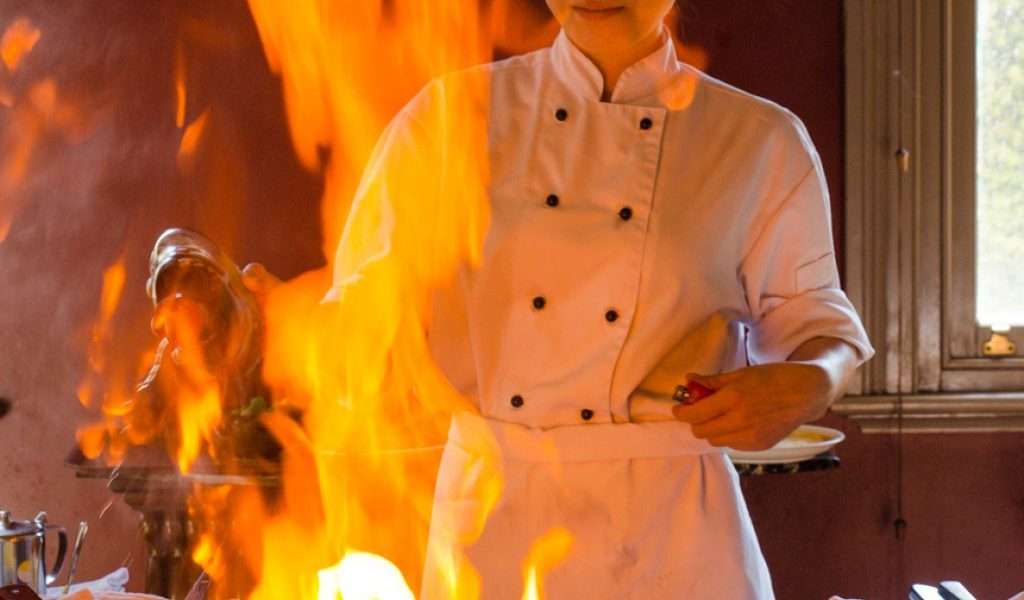


Teppanyaki is more than just a method of preparation; it is a high performance theatrical experience that demands precision, reliability, and durability. For a professional restaurant setting, a teppanyaki grill must withstand the rigors of high volume service while maintaining consistent thermal performance.
Unlike residential appliances, a commercial grade teppanyaki is a long term capital investment. This guide outlines the critical technical specifications and performance criteria required to select a unit that meets the demands of a fast paced professional kitchen.
What is a Professional Teppanyaki Grill?
A professional teppanyaki grill is a high output, flat top cooking station engineered for rapid heat transfer and extreme durability. In a commercial environment, these units are typically constructed from heavy gauge, cold rolled steel or high grade stainless steel. They are designed to withstand continuous operation, high temperature searing, and constant scraping, ensuring that even under heavy service, the surface remains stable and responsive.
Key Technical Considerations for Commercial Procurement
When evaluating equipment for your restaurant, prioritise the following factors to ensure operational efficiency and culinary consistency.
1. Thermal Conductivity and Surface Material
In a commercial kitchen, the thermal properties of the plate are paramount.
-
Plate Thickness: For professional use, look for a plate thickness of at least 15mm to 21mm. A thicker plate provides the thermal mass necessary to prevent significant temperature drops when large quantities of chilled proteins hit the surface.
-
Material: Cold rolled steel is the industry standard for high end teppanyaki due to its exceptional heat retention and ability to develop a superior non stick patina over time. While stainless steel is visually appealing, premium steel plates offer the consistent searing performance that professional service demands.
2. Precision Heat Zoning
To maximize workflow efficiency, your teppanyaki should feature independent heating zones. This allows chefs to maintain distinct temperature profiles across the plate; for example, high heat searing for proteins on one side and lower heat sautéing for delicate vegetables on the other. Ensure the control system is robust, responsive, and capable of precise adjustments to manage complex service tickets.
3. Operational Throughput and Ergonomics
Consider the physical layout of the unit in relation to your front-of-house workflow:
-
Size and Burner Configuration: Match the size to your maximum seat count and expected throughput. Ensure the burner layout is optimised for the specific cooking techniques your menu requires.
-
Integration: In a commercial setting, the unit must integrate seamlessly with your ventilation system. High powered exhaust hoods are non negotiable to handle the smoke and grease generated by high volume searing.
4. Maintenance and Sanitation Protocols
Commercial kitchens operate under strict health and safety regulations.
-
Grease Management: Look for wide, heavy duty grease troughs that runs across the front of the cooking surface. They should be easily accessible for cleaning during service and deep cleaning at the end of the shift.
-
Ease of Maintenance: Surfaces must be easy to clean with a heavy duty scraper. Ensure the unit is constructed with high grade, food safe materials that are resistant to the thermal shock caused by frequent deglazing and sanitizing.
Investing in Operational Excellence
Selecting the right teppanyaki grill is a critical component of your restaurant’s success. A unit that balances robust construction with precise temperature control will not only streamline your service but also elevate the quality of your output. By prioritising material density, thermal zoning, and ease of sanitation, you ensure that your equipment is a reliable workhorse capable of delivering consistent, high quality results for every guest.
Image credit: Freepik


