

When it comes to cooking methods, steam cooking and boiling are the most commonly used by many individuals in preparing healthy meals. However, if you want to get the most out of your nutritional value while preserving the best taste and texture, you might wonder which of these two methods is healthier. This article will compare steam cooking and boiling to guide you in making a more informed decision for your next meal.
The Basics of Steam Cooking and Boiling
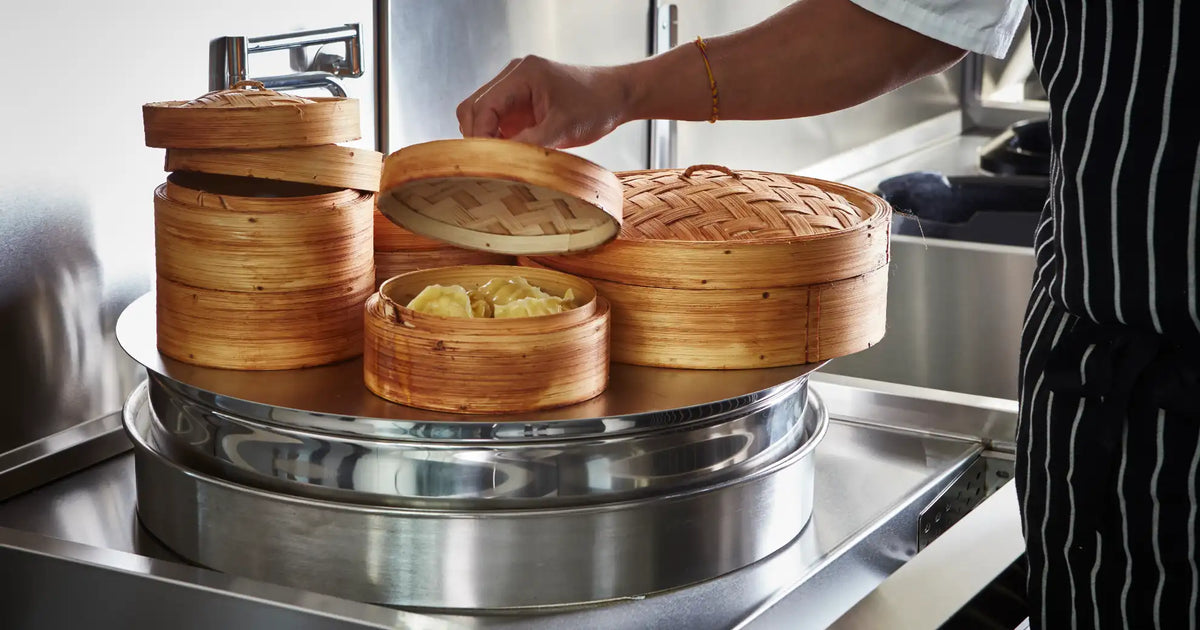
Steam Cooking refers to cooking food by exposing it to steam, usually in the form of a steam basket or steamers. The steam cooks food without direct contact with water, so the food holds all the nutrients and flavours better.
On the contrary, Boiling is a cooking method where the food is placed in water that is boiled to around 212°F (100°C). The food is submerged in the water and is cooked for some time. It is mostly applied to vegetables, pasta, rice, and eggs.
Nutrient Retention: Steam Cooking vs. Boiling
One of the main considerations for selecting a method of cooking is how it effects the nutrients of your food. Some cooking methods, especially boiling, can leach nutrients from the food into the water used for boiling. This effect is most dramatic for water-soluble vitamins such as Vitamin C and the B vitamins that are easily degraded by heat and dissolved in the water when it is boiled.
Here, steam cooking definitely has the advantage. Because water doesn’t actually come into direct contact with food in steaming, more of the water-soluble nutrients are preserved. Thus, it’s a perfect method to preserve the nutritional values of your vegetables, fish, and even your grains, rice included.
In fact, researches prove that steaming can preserve about 90% of the nutrients in your food, whereas boiling can result in a loss of most of the essential vitamins and minerals, especially when the cooking is done for an extended period.
Taste and Texture: Which One Preserves Better Taste?
Nutrition aside, there are factors including flavour and texture that occur in the decision-making process on how to prepare meals. To prepare meals, steam cooking is popular for allowing vegetables to retain their crisp taste, fish to remain tender, and virtually all other ingredients to taste like they just came out of the garden. Steam cook foods provide gentle heat that locks in moisture, thus giving the food flavour with no sogginess.
On the other hand, for instance, food may end up becoming waterlogged with boiling methods, leading to the loss of its original texture. Vegetables end up being limp and mushy, while the natural juices may be lost in meats, leading to dry, less flavourful dishes.
Cooking Speed: Which Method Is Faster?
Boiling, in general, takes less time than steaming, especially if the food is pasta or eggs. Given that water heats up faster to a boil, cooking times could be short if the food items require submerging in water.
However, steam cooking can also be relatively fast, especially when using a steamer or pressure cooker. For some foods like vegetables and fish, steaming can be just as quick as boiling, especially if you’re steaming in a multi-layered steamer where different ingredients cook simultaneously.
Health Benefits: Why Choose Steaming?
The primary health benefit of steam cooking is that it helps retain more vitamins, minerals, and antioxidants in your food. It also does not require the presence of oils or fats, which can help lighten your meals and keep them lower in calories.
Boiling, however, usually needs salt to be added for flavouring, which can be a problem for those on sodium-restricted diets. Furthermore, boiling foods such as potatoes will break down some of the vitamins in the food, making it less healthy.
Steaming or Boiling for Healthier Meals?
Although steaming and boiling are also relatively healthy forms of cooking as compared to frying and grilling, the most outstanding nutrient retention flavour, and texture, would still belong to steam cooking. The goal for one who intends to preserve all his vitamins, minerals, and antioxidants while having soft, delectable food will have to look no further than steaming.
Next time you’re preparing a meal, consider swapping out the pot of boiling water for a steamer. Your taste buds and your body will thank you!


